Dihybrid Cross
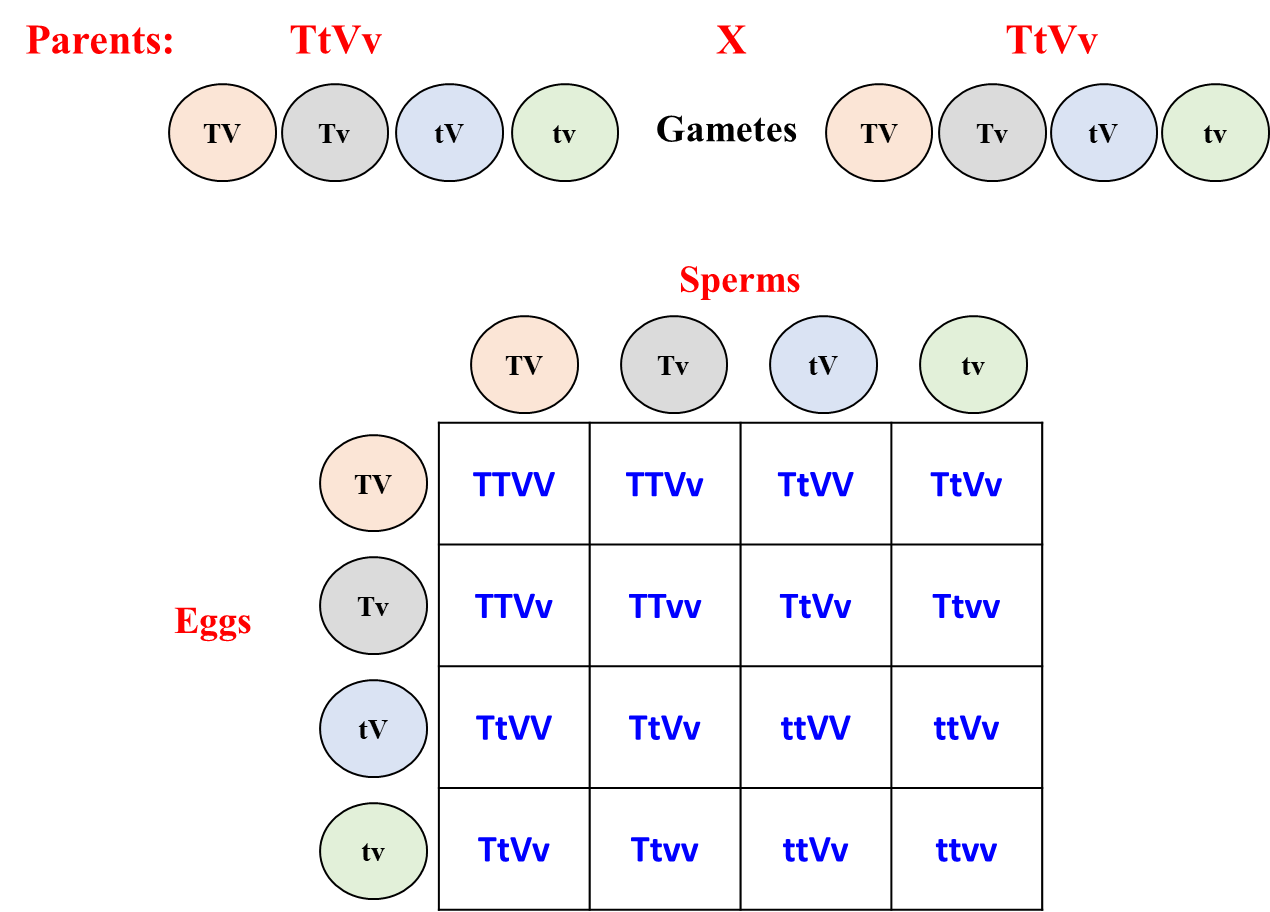
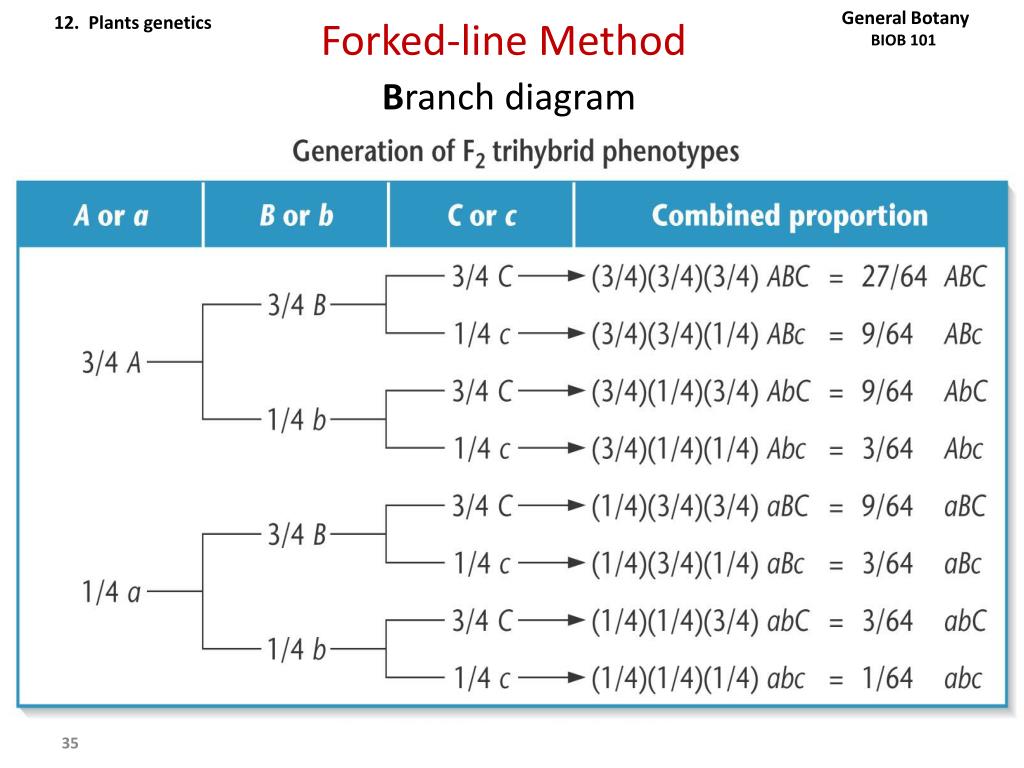
Forked Line Branch Diagrams
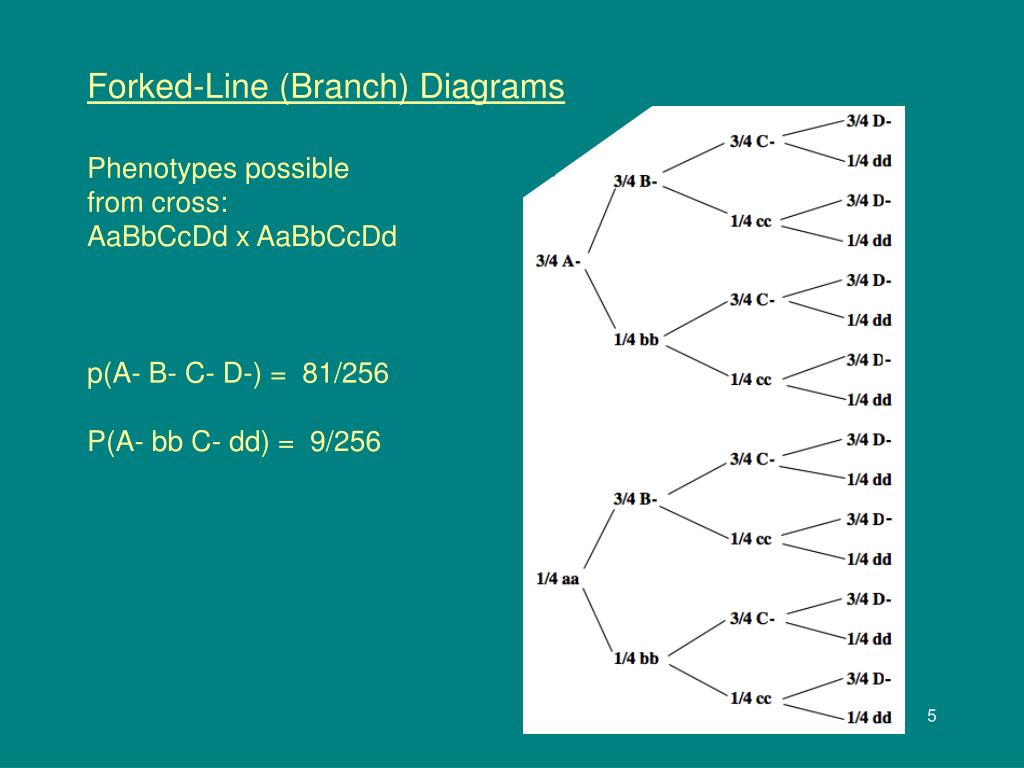
Forked Line Branch Diagrams 2
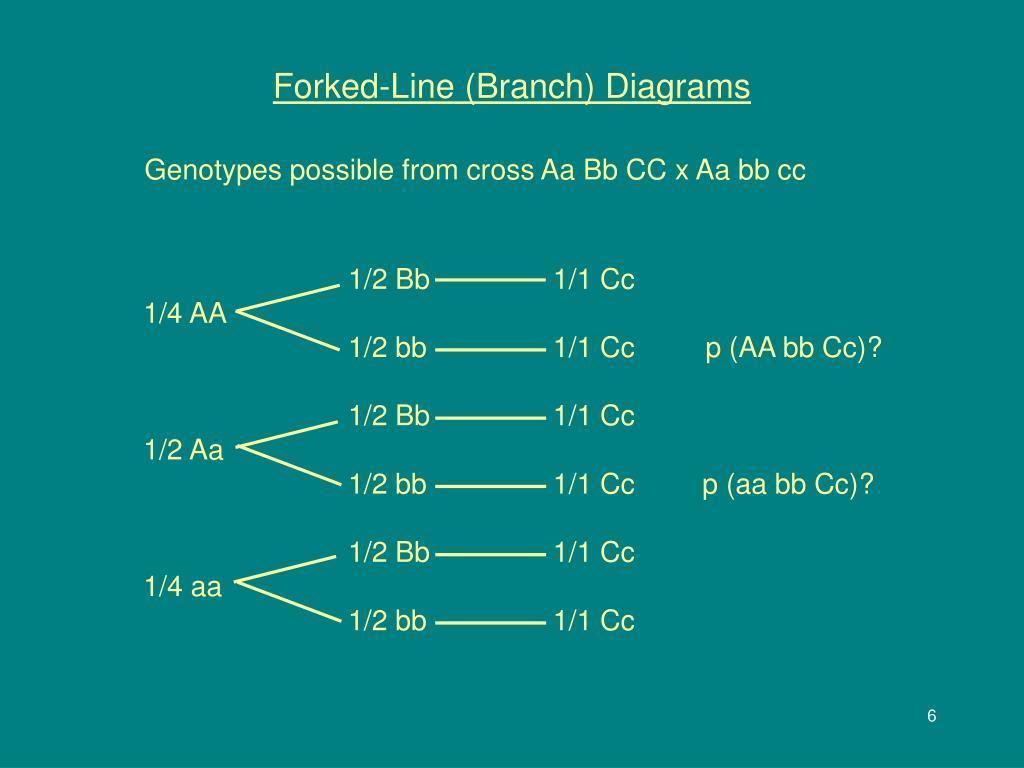
Forked Line Branch Diagrams I
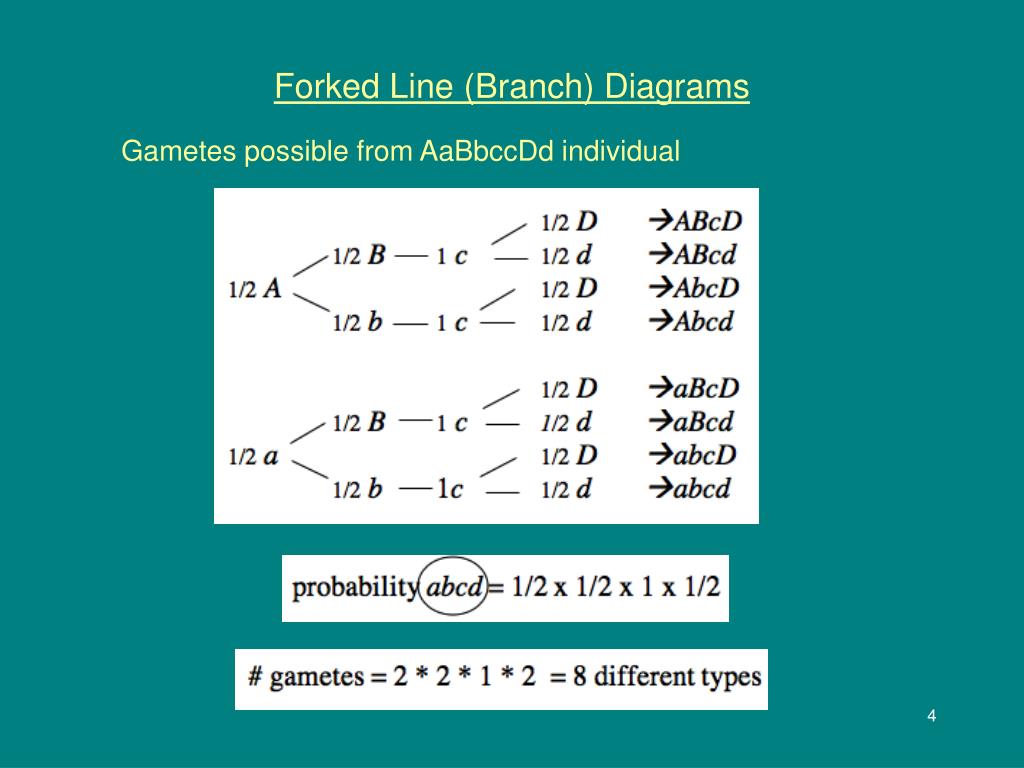
Forked Line Method Branch Diagram I
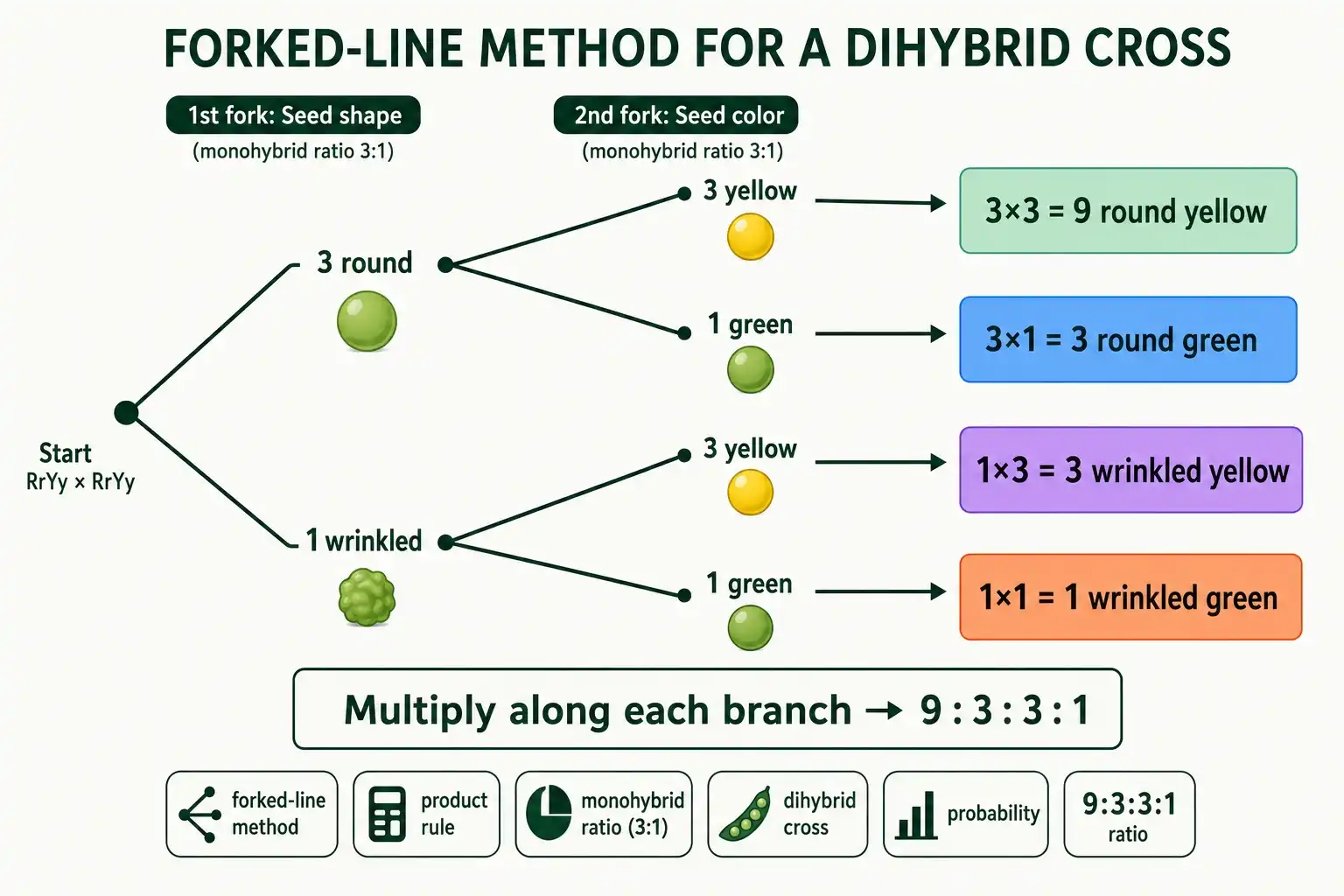
Forked Line Method Dihybrid
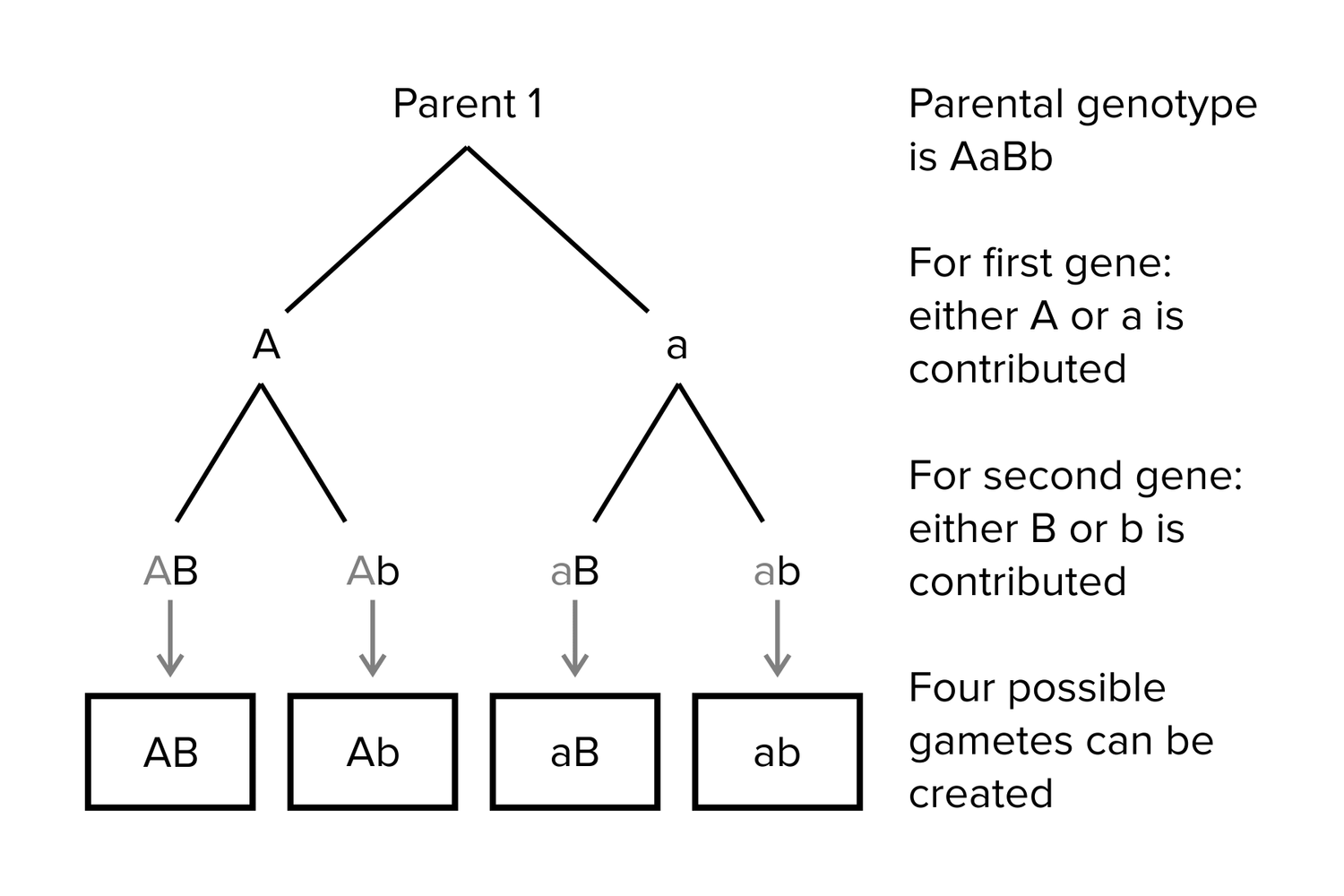
Gamete Tree
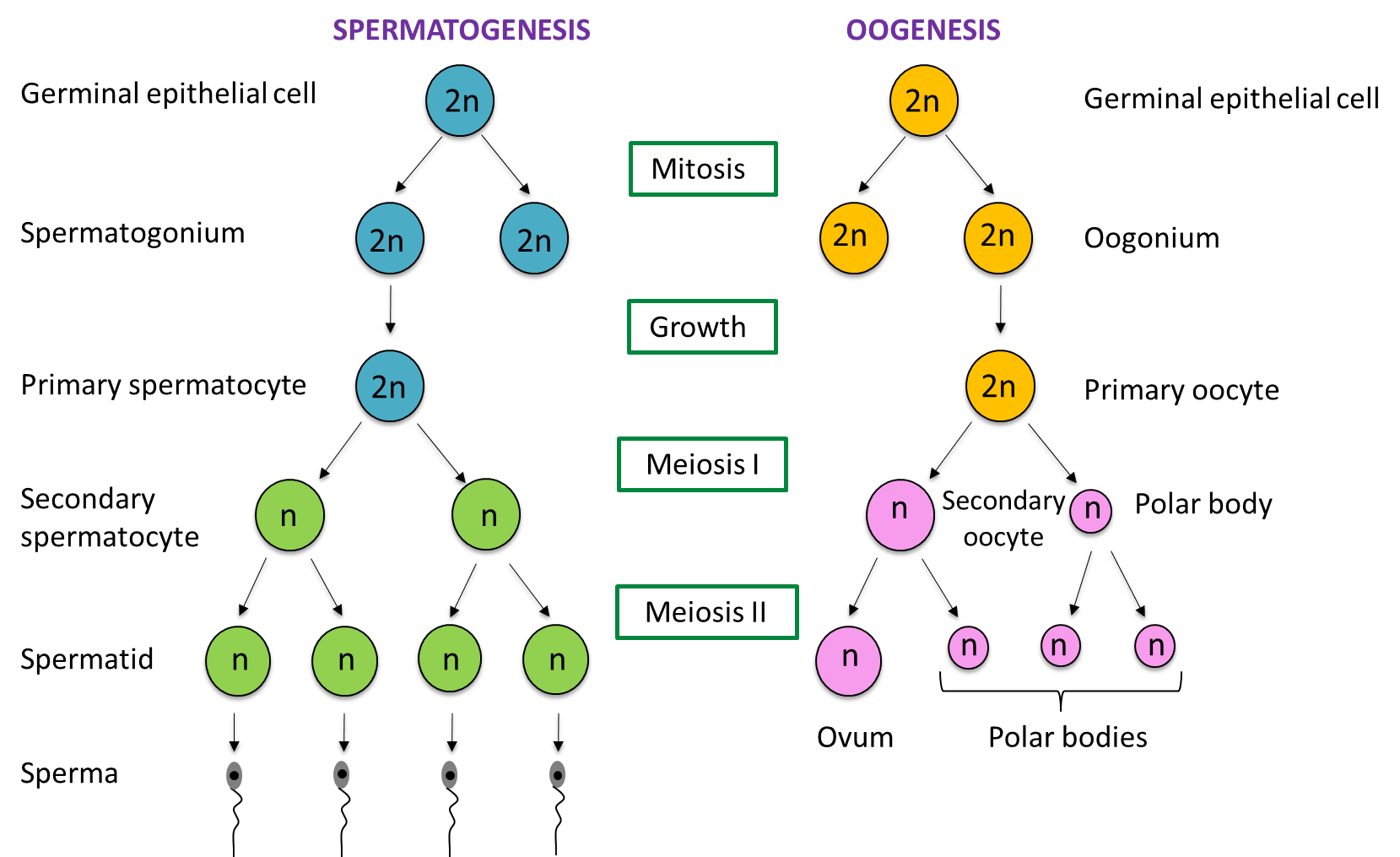
Meiosis
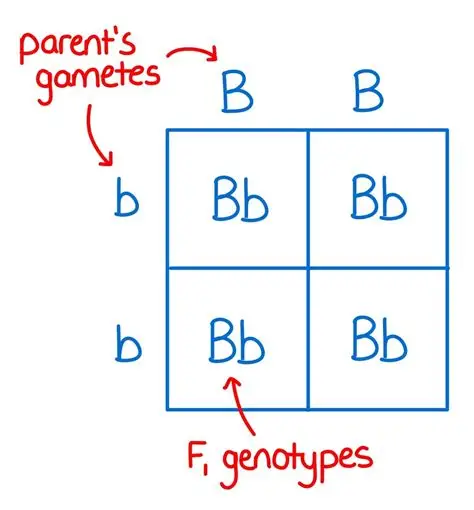
Monohybrid Cross
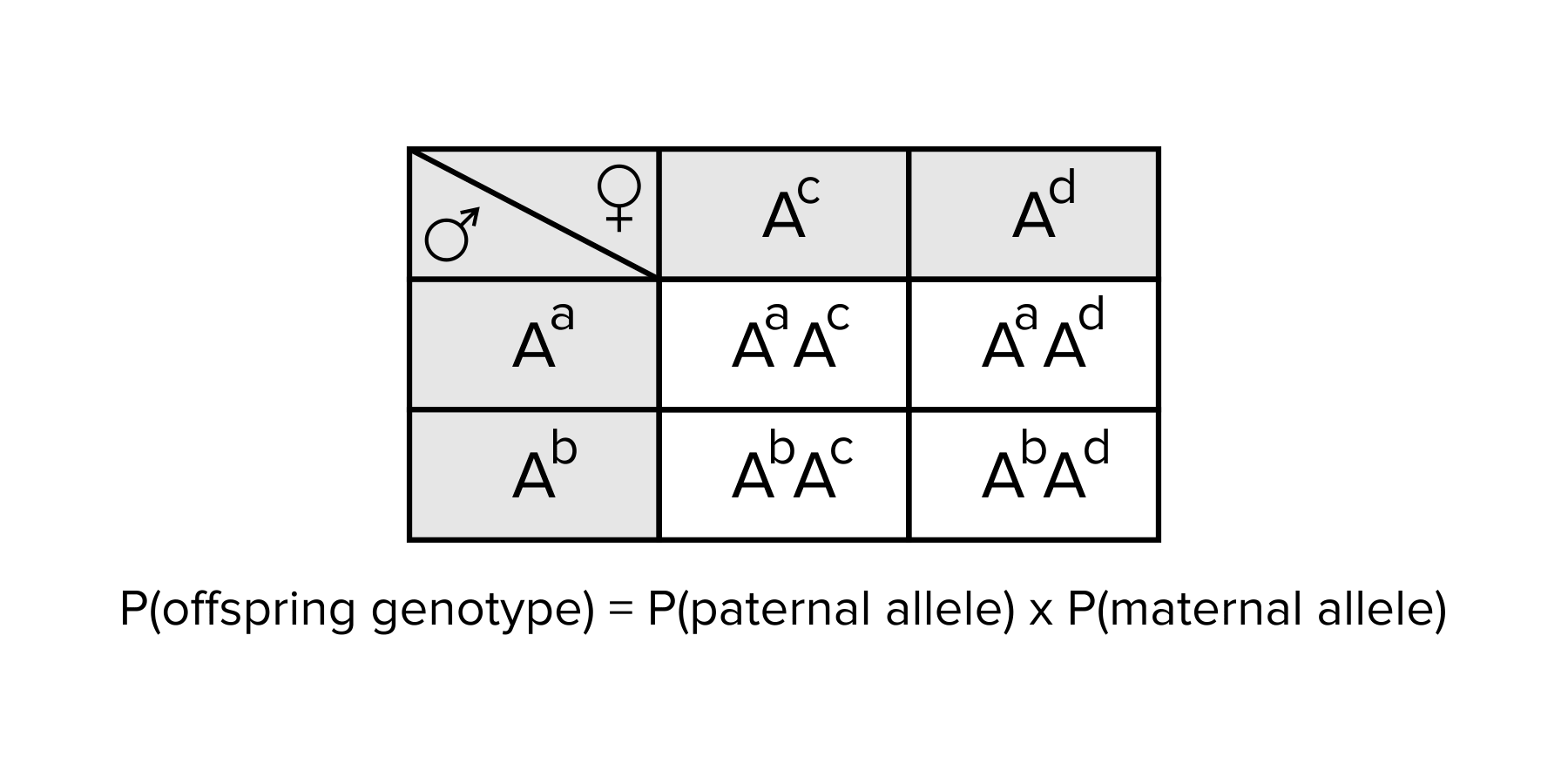
Punnett Square
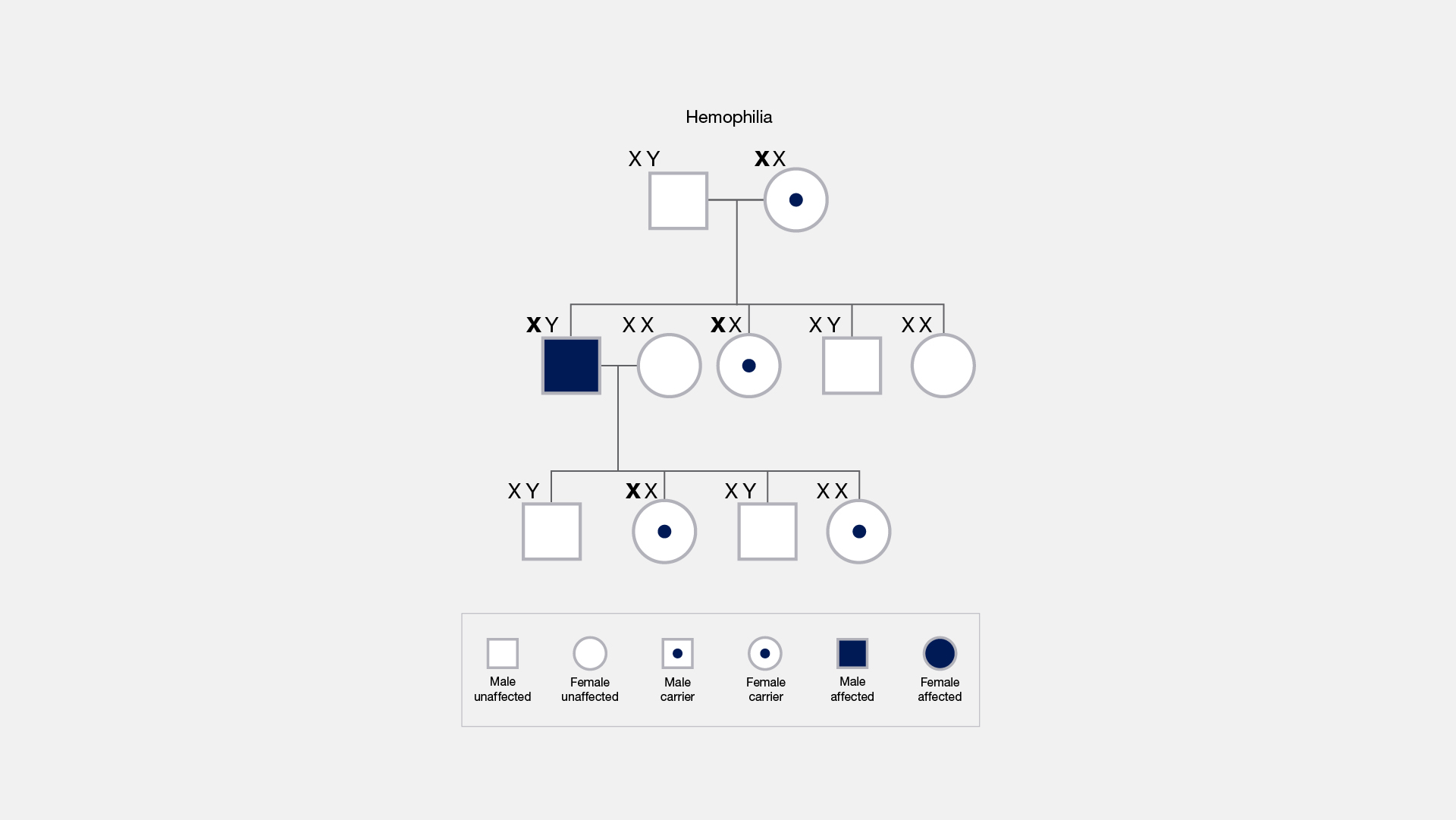
Sex Linked
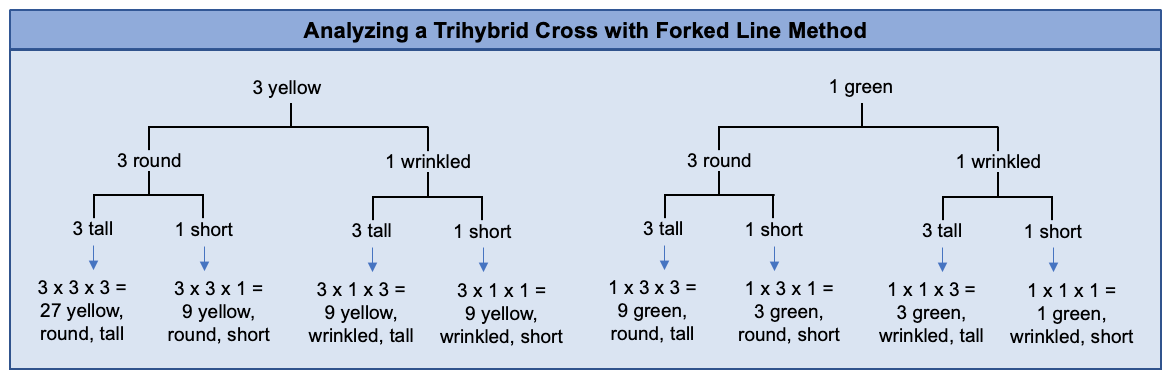
Trihybrid Cross — Forked Line Method
Gene Crosses
| X | X | X | Y | |||||
|---|---|---|---|---|---|---|---|---|
| Sex Chromosome | AB | Ab | ab | CD | ||||
| Chromosome 2 | E | e | E | e | ||||
| Chromosome 3 | f | f | × | F | F | |||
| Chromosome 4 | G | G | + | + | ||||
| Chromosome 5 | + | + | H | h |
- Parents are XX female and XY male.
- Chromosomes 2, 3, 4, 5 are autosomal.
- Genes on a sex chromosomes do not independently assort = monohybrid cross.
- Genes on different autosomal chromosomes do independently assort = dihybrid cross.
- The plus symbol indicates wild-type and may be any allele to make that true.
- Parent gametes are formed by taking unique haploid combinations of alleles within parent.
- First generation zygote genotypes are formed by crossing unique allele combinations between parents.
- Dihybrid crosses can be calculated by taking two monohybrid crosses per gene and multiplying their genotypic/phenotypic probabilities.