Electrical Conductivity and pH Guide for Hydroponics
nutrient-availability
pH should always be checked after getting the EC into the optimum range.1:
pH and EC
When monitoring the EC concentration, be sure to subtract the base EC of your source water from the level detected by your sensor.1
Measuring Electrical Conductivity
Using an EC Meter
- Fill the nutrient tank with tap or filtered water and add fertilizer. Base quantity on the manufacturer recommendation.
- Calibrate the EC meter probe using the buffer solution.
- Make sure the nutrient solution is stirred up and allow the reading to stabilize, which may take a couple of minutes.
- If the reading is higher than the optimum level, dilute the solution by adding more water, then repeat step 3.
- If the reading is below the optimum level, add nutrient concentrate until the optimum level is reached by repeating step 3.
- Rinse the probe in tap water and store in probe-cleaning fluid.
Zeroing an EC Meter
?
Cleaning n EC Meter
?
Table 1: Nutrient Availability
| Nutrient | Broad Availability Range | Notes / Reason |
|---|---|---|
| NO₃⁻-N | 4.0 to 8.5 | Soluble across all relevant pH; uptake independent of pH in hydroponic solution. Old charts confused microbial nitrification with solubility. |
| NH₄⁺-N | Best <6.5; declines >7.0 | At higher pH, conversion to unionized NH₃ increases, which is less available and potentially toxic. |
| Phosphorus (P) | Peak 5.5 to 6.5; drops <5.2 and >7.0 | Solubility falls at high pH due to Ca+P precipitation (starting ~6.2); also limited at low pH by fixation and speciation. |
| Potassium (K) | 4.0 to 8.5 | Monovalent cation, highly soluble, minimal precipitation issues (sometimes K containing silicates at higher pH values) |
| Calcium (Ca) | Stable <6.0; declining >6.2 | Precipitates with phosphate and carbonate as pH rises; availability falls gradually above ~6.2. |
| Magnesium (Mg) | Stable <6.5; mild decline >7.0 | Mg+P precipitation is less aggressive than Ca+P; solubility loss is slower but still possible at higher pH. |
| Sulfate (SO₄²⁻) | Broad 4.5 to 8.0 | Generally soluble. At very low pH, some soils can adsorb sulfate due to protonated variable charge surfaces, reducing availability. At very high pH, reduced root uptake efficiency and competition with other anions can occur; in concentrated Ca²⁺ + SO₄²⁻ systems gypsum may precipitate by saturation. |
| Iron (Fe, unchelated) | Max <5.5; falls sharply >6.0 | Fe³⁺ hydrolyzes and precipitates as hydroxides and oxides above ~pH 6; nearly unavailable by pH 7. |
| Manganese (Mn, unchelated) | Best <6.0; declining >6.3 | Mn²⁺ oxidizes and precipitates above neutral pH. |
| Zinc (Zn, unchelated) | Best <6.0; low >7.0 | Zn²⁺ solubility decreases with increasing pH; precipitates as hydroxide/carbonate. |
| Copper (Cu, unchelated) | Best <6.0; poor >7.0 | Cu²⁺ strongly hydrolyzes, falls out of solution quickly with rising pH. |
| Boron (B) | Best 5.5 to 6.8 | Boric acid is readily available in this range; at higher pH, more borate forms, reducing uptake. |
| Molybdenum (Mo) | Improves >6.0 | Molybdate solubility increases with pH; plants often deficient in acidic conditions, more available at neutral/alkaline pH. |
Science in Hydroponics
Nutrient Availability
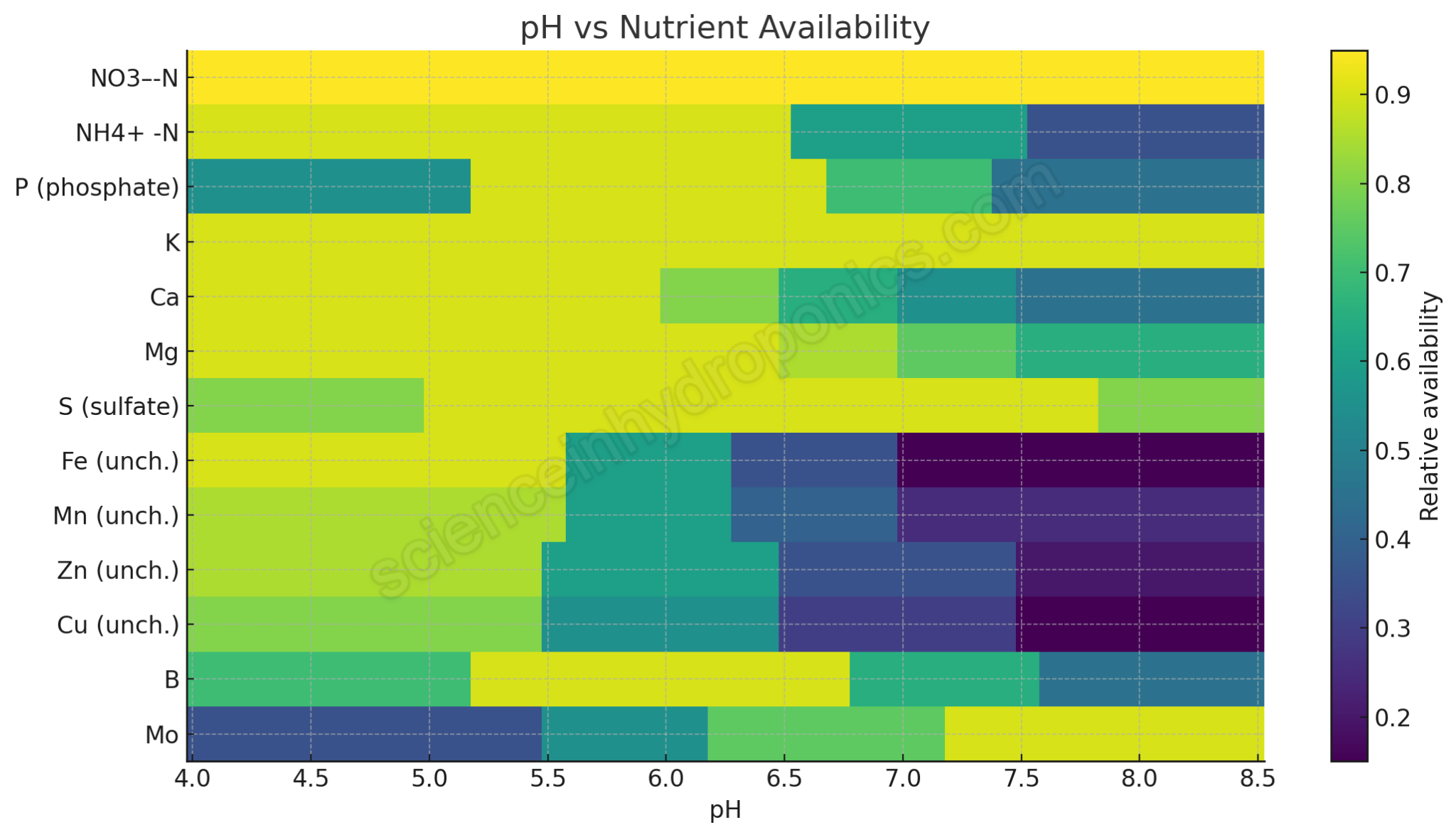
Table 2: Acceptable values for common nutrients found in water.
| Nutrients | Acceptable value (ppm) |
|---|---|
| Sodium | <50 |
| Calcium | <150 |
| Magnesium bicarbonate | <50 |
| Chloride | <140 |
| Sulfate | <100 |